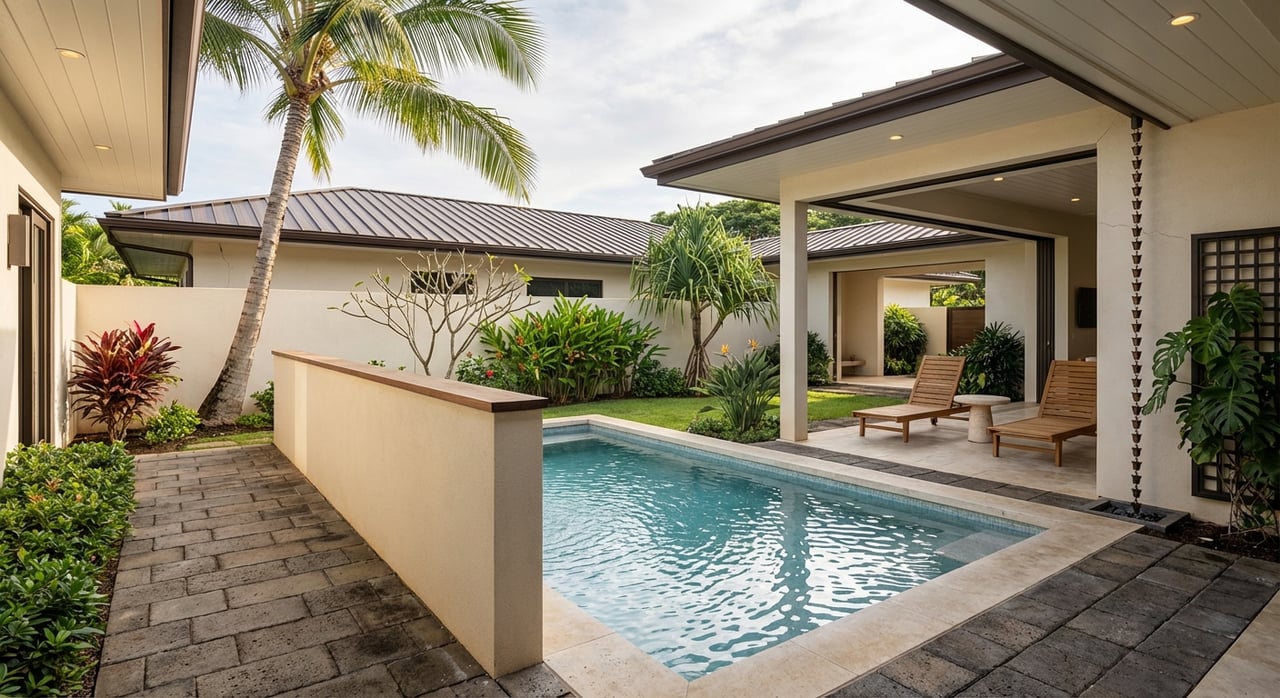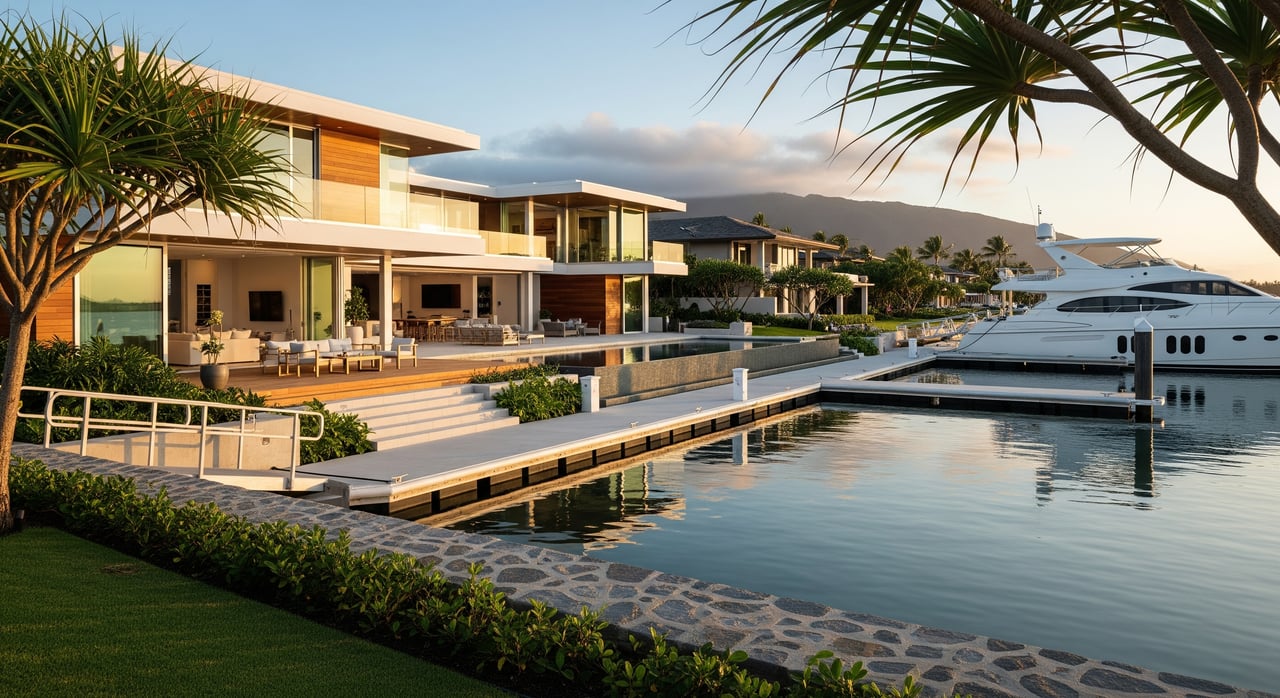
Thinking about a Koko Kai home and wondering how to finance it without the usual W-2s or agency rules? You are not alone. Between luxury price points, condo project rules, and evolving short-term rental policies, many Hawaii Kai buyers need flexible lending. In this guide, you will learn how portfolio, asset-based, and DSCR loans work for Koko Kai properties, what lenders look for, and how to prepare a clean file that closes. Let’s dive in.
Why these loans fit Koko Kai
Koko Kai sits within Hawaii Kai, a sought-after east Honolulu enclave known for single-family homes, marina living, and upscale condos. Prices often exceed standard conforming limits, which puts you into jumbo or specialty lending. Portfolio loans, asset-based mortgages, and DSCR programs can bridge the gap when agency financing is not a match.
- Portfolio lenders can approve scenarios that fall outside agency rules, since they keep loans on their own books rather than selling them to Fannie or Freddie. That flexibility is useful for jumbo sizes, non-warrantable condos, and complex files. You can read how portfolio lending works in official bank filings.
- Asset-based loans help high-net-worth or retired buyers qualify by converting liquid assets into an income stream, rather than relying on W-2s or tax returns. See how lenders calculate this approach in asset-depletion overviews.
- DSCR loans focus on a property’s rental income to cover the debt service. These programs are common for Hawaii investors and can allow LLC vesting and interest-only options. Learn more in this DSCR explainer for Hawaii investors.
Price and loan limits in Hawaii Kai
Hawaii is a high-cost area for conforming limits. The 2025 single-unit high-cost ceiling is $1,209,750, with a baseline of $806,500. Purchases above your applicable county limit land in jumbo territory, where portfolio or non-QM programs are common. Review the latest figures from Freddie Mac’s loan limit guidance.
What each loan type means
Portfolio loan basics
A portfolio loan is held by the lender. That structure gives underwriters room to approve unique properties, higher loan amounts, or files that do not fit agency rules. Pricing and terms reflect the lender’s risk appetite, not just a rulebook.
Asset-based qualification
Asset-depletion programs count a percentage of your liquid assets, then spread that number over a set period to compute qualifying income. Lenders often accept 100 percent of cash and a lower percentage of securities or retirement accounts. See common methods in this asset-based guide.
DSCR for investors
For income properties, DSCR underwriting compares monthly rent to monthly debt service. Many lenders prefer DSCR at or above 1.0 to 1.25, and some consider lower ratios with strong compensating factors. Program details vary, which is why you should request a term sheet that shows DSCR and documentation rules. For a Hawaii-focused overview, see DSCR program ranges.
Condo, leasehold, and local rules that matter
Warrantable vs non-warrantable condos
Some Hawaii condos are non-warrantable because of short-term use, litigation, investor mix, or HOA reserves. Agency loans may be off the table in those projects. Portfolio or non-QM options exist, often with larger down payments. Learn the criteria in this Hawaii condo warrantability guide.
Leasehold properties
Most Oʻahu homes are fee simple, yet leaseholds still appear. Remaining lease term, rent resets, and ground rent escalations shape your loan options and maximum term. Get the lease documents to your lender early. Read a practical overview of leasehold considerations.
Short-term rental rules
Honolulu has tightened short-term rental regulations outside resort zones. If you plan to use STR income, lenders will want proof that activity is legal and registered where required. Policy updates can change what counts as qualifying income. For background, see Civil Beat’s coverage of Honolulu’s Bill 41 and follow-ups.
Flood and hazard insurance
Parts of Hawaii Kai sit near marinas and low-lying areas that can fall within FEMA Special Flood Hazard Areas. Many lenders require flood policies when a structure is in an SFHA. Check FEMA’s flood insurance definitions and get a determination early.
Typical terms and ranges
Exact terms depend on the lender and your profile, yet common patterns include:
- DSCR thresholds often fall between 1.0 and 1.25, with some programs considering down to about 0.75 for strong files. See typical thresholds in this Hawaii DSCR overview.
- Loan-to-value for investment or non-warrantable properties often ranges from 65 to 80 percent. Larger down payments may be required for condotels or bridge loans.
- Many non-QM programs start around the mid-600s for credit scores, with better pricing as scores rise. Some offer 30-year fixed, 40-year amortization, or interest-only periods. See investor-oriented options in this DSCR program explainer.
- Expect higher reserve requirements and ownership seasoning for cash-out refinances.
Where to find the right lender
Local banks and credit unions
Hawaii-based depository banks often portfolio jumbo and specialty loans. Local lenders understand leaseholds, HOA dynamics, and Hawaii-specific title items. For context on how banks hold loans, review portfolio lending details in SEC filings.
Non-QM and DSCR specialists
National specialty lenders and brokers finance many Hawaii DSCR, asset-based, and non-warrantable condo loans. Ask how they document STR income, their DSCR threshold, LTV caps, reserves, and whether they allow LLC vesting. For Hawaii-focused DSCR background, see this program summary.
Private and bridge capital
If you need speed or the property has major obstacles, hard-money lenders can provide short-term, asset-driven financing at higher rates and fees. This can be a bridge to a permanent loan once issues are cured.
Questions to ask any lender
- Is this a portfolio or agency product, and will you service it in-house?
- What are your DSCR, LTV, credit score, and reserve requirements for this property type?
- How do you document short-term rental income for underwriting?
- Do you finance non-warrantable condos or leaseholds, and what are the limits?
- Are there prepayment penalties or interest-only options?
Buyer checklist for Koko Kai
- Confirm if the condo is warrantable or if you need a portfolio or non-QM program. The warrantability checklist is a useful starting point.
- If the property is leasehold, gather the lease, ground rent schedule, and rent reset terms now.
- If you plan to use STR income, verify legal status and registration under current Honolulu rules, then collect management statements and platform histories.
- For asset-based or bank-statement loans, compile recent statements for cash, brokerage, and retirement accounts.
- For DSCR loans, obtain a rent schedule or third-party income history and request a lender term sheet.
Tips for Koko Kai sellers
- Non-warrantable status, pending HOA litigation, or special assessments can shrink the buyer pool. Address known issues and provide documentation early so buyers can price the risk and pick the right loan path.
- If your ideal buyer is an investor, consider how STR rules and DSCR thresholds may affect underwriting. Clear, accurate income documentation can speed approval.
- If your home is near the marina or coastline, share any flood elevation certificates and current insurance details to streamline underwriting.
Your next step
Every Koko Kai property is unique, and so is the financing. With senior-level guidance and careful lender selection, you can match the right loan to the right home and close with confidence. For a private, concierge strategy tailored to your goals, connect with Steve Cohen.
FAQs
Can I use a conventional loan for a Koko Kai condo used as short-term rental?
- Often not. Many STR-oriented projects are non-warrantable, which blocks agency loans, so you may need a portfolio or non-QM option. Verify project status early using a warrantability checklist like this one.
How do asset-based mortgages work if I am retired with investments?
- Lenders convert eligible liquid assets into a qualifying income figure, then apply standard credit and reserve rules. See common approaches in this asset-depletion overview.
Will a lender count Airbnb or VRBO income for a Koko Kai investment loan?
- Some DSCR programs accept documented STR income, but they require proof the activity is legal and properly registered. Review Hawaii-focused DSCR documentation norms here.
How do leasehold terms affect my mortgage on Oʻahu?
- Remaining lease years, rent resets, and ground rent escalations can limit loan term and LTV, so lenders often require more documentation and larger down payments. See key issues in this leasehold guide.
What DSCR do I need for a Hawaii Kai investment property?
- Many programs prefer DSCR between 1.0 and 1.25, and a few consider lower ratios with strong compensating factors. For context, see this Hawaii DSCR summary here.