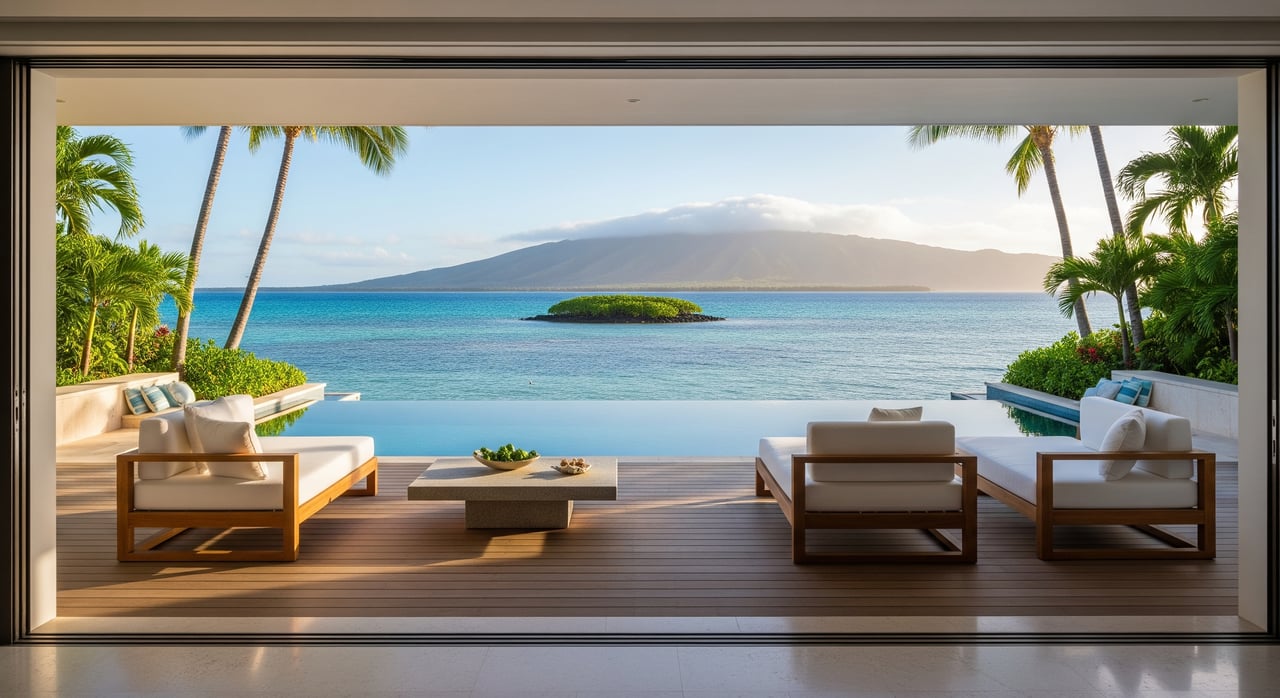
Torn between Kaneohe’s calm bay life and Kailua’s iconic beach scene? You are not alone. Both Windward Oahu towns offer beautiful settings, strong community ties, and easy access to outdoor recreation. The right choice comes down to how you like to live day to day, from commute patterns and walkability to housing types, waterfront access, and coastal regulations. This guide breaks down the key differences so you can choose with confidence. Let’s dive in.
Windward Oahu at a glance
Kaneohe in brief
Kaneohe sits along Kaneohe Bay and the foothills of the Koʻolau Range. You will find more conventional suburban layouts, a mix of older and newer homes, and convenient access to the H‑3 in many areas. The bay defines daily life, with boating, paddleboarding, and calm-water outings as regular pastimes. Proximity to Marine Corps Base Kaneohe Bay shapes local demand and noise patterns in some pockets.
Kailua in brief
Kailua is centered around a compact town core and world‑recognized beaches like Kailua and Lanikai. It offers a true beach‑town rhythm, with walkable pockets, boutique shops, and easy access to ocean sports. Visitor activity is higher near the beaches, and homes tend to sit on smaller lots close to the shoreline. The lifestyle leans into surf, paddling, and sunrise strolls.
Microclimate and outdoor living
Both towns sit on the windward side with steady trade winds and more rainfall than leeward Oahu. Conditions can shift over short distances, especially near the Koʻolau slopes. Expect moderate temperatures year‑round and micro‑variations in cloud cover and rainfall from inland to shore.
Beach conditions in Kailua
Kailua’s shoreline faces open‑ocean conditions. You can expect excellent days for wind sports like windsurfing and kitesurfing, along with kayaking and snorkeling around nearby offshore islets when conditions allow. Popular beach parks see heavy use, and parking is limited at peak times.
Bay life in Kaneohe
Kaneohe Bay’s partially sheltered waters lend themselves to boating, paddleboarding, canoe clubs, and family‑friendly excursions across broad, shallow reef areas. Waterfront access often includes marinas, boat ramps, and canals. Portions of the shoreline also include wetlands and estuarine habitats that shape where and how development occurs.
Commute and mobility
Driving routes
Both Kaneohe and Kailua are on the Windward side, and weekday rush hours can be busy. Travel time to Honolulu varies widely with route and time of day. Kaneohe residents in certain zones may benefit from the H‑3. Other key corridors include the Likelike and Pali highways. Plan to check real‑time conditions when commute timing matters.
Transit and rail
TheBus connects both towns to Honolulu with local and some express options. For many commuters, buses are slower than driving, especially outside peak schedules. There is no rail line serving the Windward communities.
Walkability and parking
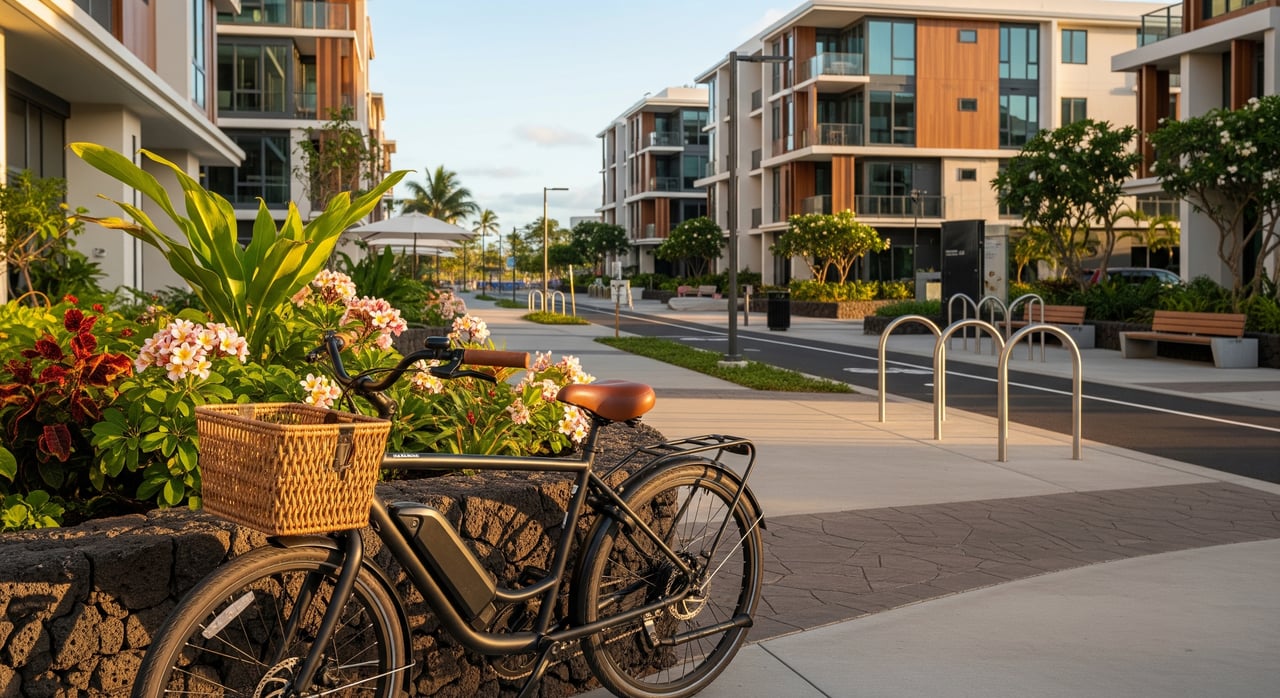
Kailua offers more walkable pockets around the town center and beaches, with biking and walking practical for many errands. Kaneohe’s neighborhoods are more spread out, with car travel common, though you will find sidewalks and local paths. Parking can be tight in Kailua’s town core and at beach lots during peak periods.
Housing and land use
Kaneohe housing mix
Kaneohe includes older plantation‑era homes, hillside lots, newer subdivisions, townhomes, and condos. Some properties sit along canals or enjoy bay‑adjacent settings with options for boat moorings or ramp access. In many market cycles, Kaneohe offers a broader range of housing types and lot sizes.
Kailua housing mix
Kailua’s housing includes post‑war cottages, renovated luxury homes near Kailua and Lanikai beaches, and select condos. Lots tend to be smaller near the shore, with homes clustered closer to beaches and the town core. Proximity to iconic beaches drives ongoing demand and can constrain available inventory.
Permits and coastal rules
If you plan to improve or build, pay close attention to coastal regulations. Shoreline setbacks, Special Management Area rules, and erosion controls apply along coasts and estuaries. The City and County of Honolulu Department of Planning and Permitting oversees zoning, shoreline certifications, and building permits. Short‑term rental rules have tightened across the county, so verify legal uses and current ordinances before underwriting rental income.
Waterfront access and environmental factors
Access types and privacy
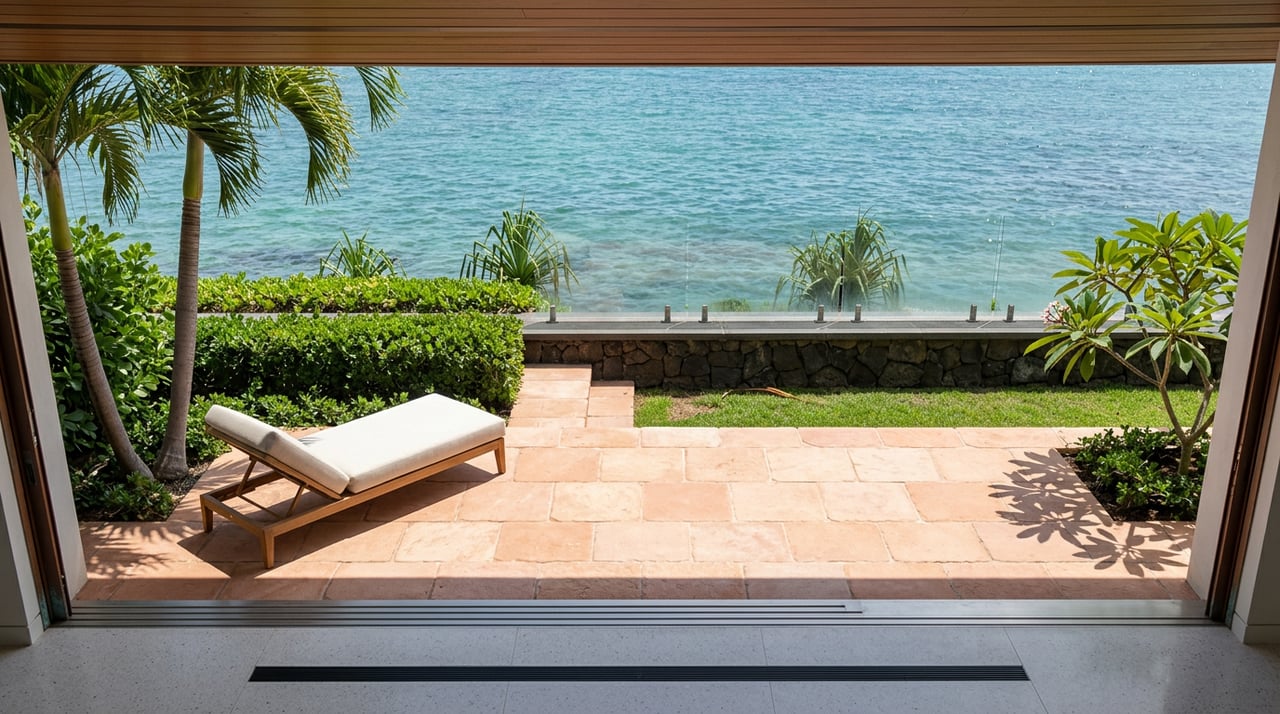
Kailua is known for sandy public beaches, scenic views, and active shoreline parks. Homes near the beach often sit on smaller lots, and access points can be busy. Kaneohe offers a different style of waterfront living, with bay, canals, and estuarine areas that support docks, marinas, and boat ramps in select locations. Many prime shorelines feature public access, while some parcels hold private docks or moorings. Always confirm parcel‑level records for rights and restrictions.
Flooding and hazard awareness
Parts of both Kaneohe and Kailua lie in FEMA flood zones and within tsunami evacuation zones. Sea‑level rise, king tides, and storm surge can affect low‑lying properties. Some shoreline areas also face active erosion. For any address, check FEMA flood maps, county tsunami maps, and local hazard planning. In bay‑adjacent zones, be mindful of wetlands, protected habitats, and environmental review that may affect renovations and seawalls.
Daily conveniences and services
Retail and dining rhythm
Kailua’s compact town core concentrates boutiques, cafes, yoga studios, and specialty markets in a pedestrian‑friendly setting. Kaneohe clusters services in several centers across town, including larger mall formats and grocery‑anchored plazas. Windward Mall is a focal point for retail and services in Kaneohe.
Schools and healthcare
Both communities are served by Hawaii State Department of Education public schools, with private and charter options available. Offerings vary by campus, so review current profiles and programs that match your needs. Urgent care and clinics are available locally, while most specialty care is concentrated in central Honolulu, which may influence your commute planning for medical visits.
Which lifestyle fits you
- You love calm waters, boating, and potentially larger lots: prioritize Kaneohe.
- You want a walkable beach‑town core with iconic beaches at your doorstep: look closely at Kailua.
- You want varied housing types and wider lot options: Kaneohe often provides more choice across segments.
- You want a dense mix of cafes and boutiques near home: Kailua offers a concentrated town center.
- You have ties to Marine Corps Base or value quick access to H‑3 from certain areas: Kaneohe may be more convenient.
- You plan to hold a home for long‑term enjoyment and beach access: Kailua’s shoreline lifestyle is hard to replicate.
Your due diligence checklist
- Confirm current market stats by neighborhood through the local MLS or Honolulu Board of REALTORS for median price, months of supply, and days on market.
- Use FEMA Flood Map Service Center and City tsunami maps to review flood and evacuation zones for any address.
- Verify school boundaries and program offerings through the Hawaii DOE and individual school profiles.
- Check commute times to your key destinations using real‑time mapping during your actual travel windows.
- Confirm permitted uses for short‑term and long‑term rentals with the City’s Department of Planning and Permitting and state tax authorities.
- Ask about sewer versus septic and any active or planned sewer expansion that may affect permitting or value.
- Inspect for ventilation and moisture concerns common in windward climates.
- Review shoreline setback, SMA rules, and any environmental constraints if you plan to remodel, add a seawall, or develop.
Work with a concierge advisor
Choosing between Kaneohe and Kailua is not just about a map pin. It is about aligning microclimate, daily rhythm, waterfront access, and regulatory risk with your long‑term goals. With senior‑level guidance, you can source the right property, underwrite coastal constraints with clarity, and position yourself for a smooth close.
If you are weighing Windward options or want a curated look at on‑market and select off‑market opportunities, connect with Steve Cohen. Schedule a Private Consultation and move forward with confidence.
FAQs
What is the main difference between Kaneohe and Kailua lifestyles?
- Kaneohe centers on calm bay activities and a more conventional suburban layout, while Kailua offers a compact beach‑town core with iconic sandy beaches and active ocean sports.
How does the commute to downtown compare from Kaneohe vs Kailua?
- Both are Windward with heavy rush‑hour traffic and variable drive times; Kaneohe residents in some areas benefit from access to the H‑3, while Kailua primarily uses the Pali and Likelike routes.
What should buyers know about short‑term rentals in these towns?
- Honolulu County has tightened short‑term rental rules and enforcement; verify the current ordinance and permitted uses for any property with the City’s Department of Planning and Permitting.
Are Kaneohe or Kailua homes at risk from flooding or tsunamis?
- Parts of both communities sit in FEMA flood zones and tsunami evacuation areas; review FEMA flood maps and City tsunami maps for each address and consider insurance and mitigation.
How does waterfront access differ between Kaneohe and Kailua?
- Kailua features public sandy beaches with high demand and limited parking at peak times, while Kaneohe offers bay, canal, and marina access with select parcels offering docks or moorings, subject to permits and environmental rules.