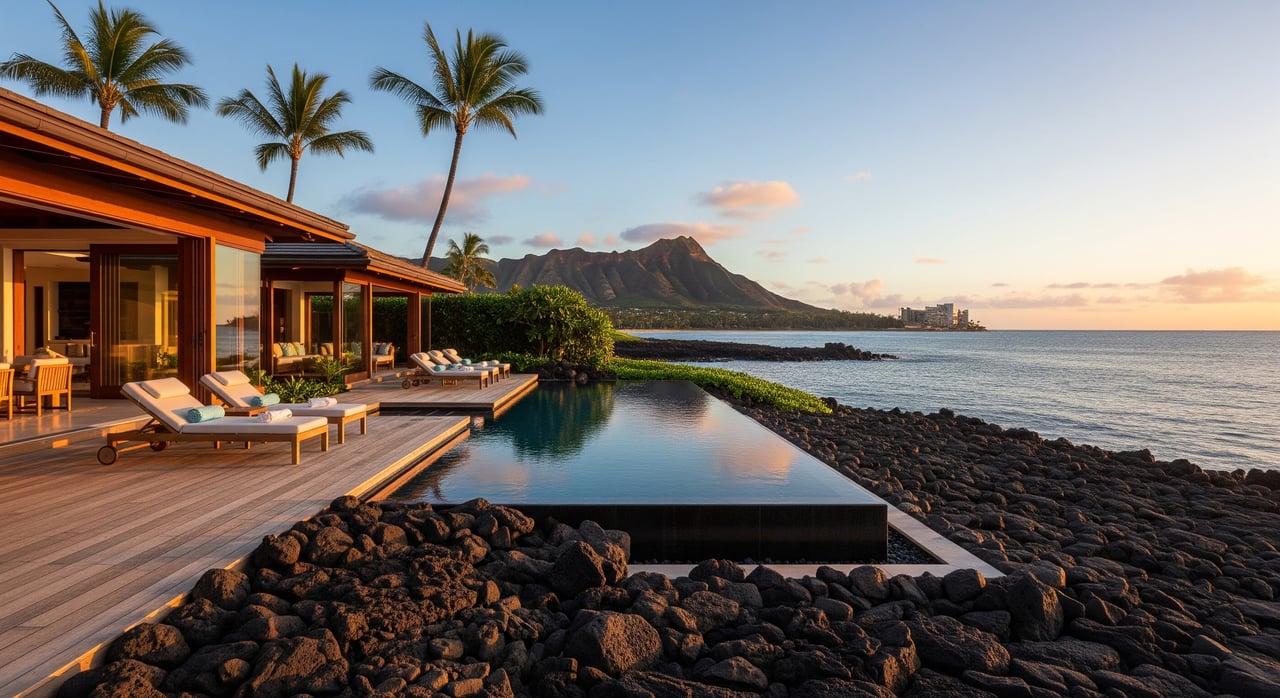
Are you torn between the drama of cliffside panoramas and the pulse of waves just beyond your lanai? If you are choosing between Koko Kai and Portlock in East Honolulu, you are comparing two exceptional oceanfront lifestyles that look similar on a map but feel very different day to day. It is a high-stakes decision with long-term implications for comfort, maintenance, insurance, and resale. In this guide, you will learn how each micro-market lives, the risks to understand, and a clear checklist to help you move forward with confidence. Let’s dive in.
Quick snapshot: Koko Kai vs Portlock
- Koko Kai: Immediate shoreline living with direct ocean presence, intimate horizon views, and quick access to snorkeling and nearshore recreation. Expect more exposure to salt, spray, and coastal processes.
- Portlock: Larger, elevated hillside estates with sweeping panoramas of Maunalua Bay and Koko Head. Expect more privacy, less direct wave action, and sitework suited to sloped terrain.
- Lifestyle tradeoff: Immediacy at Koko Kai versus breadth and elevation at Portlock. Your priorities will drive the right fit.
Lot types and lifestyle fit
Portlock hillside estates
Portlock is known for sloped, elevated parcels on or near the ridge above the shoreline. The topography opens broad sightlines across Maunalua Bay and often gives you more sky and sunset exposure. Larger lots typically allow for greater setbacks, more vegetation buffers, and room for amenities like pools or guest spaces.
The hillside setting also introduces stepped foundations, retaining walls, and thoughtful drainage design. If you want privacy, lateral space, and panoramic views with less direct wave exposure, Portlock often checks the most boxes.
Koko Kai shoreline living
Koko Kai centers on parcels at or very near the water’s edge, including small bluff-top and near-level oceanfront lots. The ocean is the star here. You feel the sound, the breeze, and the energy of the shoreline throughout the day. That immediacy can mean closer proximity to neighbors and more nearshore activity in front of your home.
For buyers who value direct water access for snorkeling and daily shoreline enjoyment, Koko Kai delivers. The tradeoff is higher exposure to salt, spray, and coastal processes that drive maintenance and long-term planning.
Views and microclimate
View tradeoffs: breadth vs immediacy
On Portlock’s elevated lots, you get sweeping, long-distance views across Maunalua Bay, often with unobstructed sightlines that showcase coastline and swell lines on clear days. The vantage point supports designs that capture breezes and frame sunsets.
At Koko Kai, you are at the water’s edge with a low-angle horizon. The experience is intimate and immersive, with the ocean filling your foreground. Raising living areas to capture more elevation is possible, but it takes additional structural planning.
Wind, spray, and microclimates
Honolulu’s prevailing trade winds are from the northeast, but local ridges and headlands create microclimates. Portlock’s elevated homes can enjoy consistent ventilation and sometimes stronger gusts, usually with less direct salt spray. Koko Kai properties are more exposed to onshore breezes and wind-driven spray, which increases salt deposition on surfaces and systems.
For any specific address, it is smart to review local wind data and ask for documented wind or storm history. Site orientation matters, even on the same street.
Noise, privacy, and nearshore activity
Shoreline addresses can experience the soundtrack of surf along with kayakers, snorkelers, and occasional watercraft. Elevated properties in Portlock often feel quieter and more private due to distance from the water and vegetation buffers. Always visit at multiple times of day and during different swell conditions to get the full picture.
Water access and boating
Koko Kai typically offers immediate shoreline access for swimming and non-motorized craft. The nearshore reef and depth can limit larger vessel moorings directly offshore. Owners of bigger boats commonly rely on nearby marinas and haul-out options rather than private deep-water slips at the property.
Many Portlock lots sit above the shoreline without direct drop-in access, though certain homes have steps to the water or small coves. If boating is a priority, confirm the availability of marina moorings and the rules for any private moorings. Anchors, moorings, and docks are subject to permits from state agencies, and space is constrained by reef conditions and depth.
Coastal hazards and resilience
Erosion and shoreline change
Immediate oceanfront parcels face higher long-term erosion risk. Some properties have seawalls or revetments, which require permits and ongoing maintenance. Shoreline hardening can affect neighboring areas and is subject to evolving policy. Elevated Portlock lots sit back from the water and typically see less direct erosion exposure, although shoreline changes below the lot can still matter to access and aesthetics.
Coastal flooding, storm surge, and tsunami
Sea-level rise and wave run-up can bring periodic overwash and flooding to low-lying shoreline parcels. All coastal neighborhoods in Hawaiʻi have mapped tsunami evacuation considerations for certain events. Higher elevation in Portlock offers safer immediate refuge and lower near-term inundation risk. Always check FEMA flood zones, base flood elevations, and local tsunami evacuation information for each address.
Spray, corrosion, and surf energy
Exposed headlands may see stronger wave energy during certain swell events. Oceanfront homes at Koko Kai receive more consistent spray and salt, which accelerates wear on metals, HVAC, exterior finishes, pool systems, and solar components. Budget for marine-grade materials and more frequent replacement cycles.
Permitting, zoning, and insurance realities
Shoreline rules and setbacks
Construction near the shoreline triggers state and county review, including certified shoreline lines and setback requirements. Any seawall, revetment, private stairs, or mooring typically requires permits from local planning agencies and state departments. Many jurisdictions are cautious about new shoreline armoring because of environmental impacts. Confirm the property’s certified shoreline and the status of any shoreline structures before you write an offer.
Insurance and financing
Coastal underwriting changes quickly. Obtain quotes early for homeowners, wind or hurricane coverage if separate, and flood insurance if the property is in a special flood hazard zone. Carriers look at loss history, proximity to the shoreline, and sea-level-rise exposure. Lenders may have additional conditions for coastal assets.
Proactive insurance diligence gives you leverage in negotiations and clarity on total cost of ownership. Do not wait until after inspections to confirm coverage availability and deductibles.
Structures, systems, and materials
Oceanfront exposure accelerates corrosion. Review structural fasteners, exterior cladding, roof and window ratings, HVAC and pool equipment specs, and solar component warranties. Look for marine-grade materials and documented maintenance. For bluff-top or shoreline parcels, a geotechnical assessment is strongly recommended to evaluate soil and slope stability. For properties with seawalls or private shoreline access, bring in a coastal engineer to review condition, permits, and expected lifecycle costs.
HOA, CC&Rs, and access easements
Confirm any association rules for shoreline use, parking, guest access, and common maintenance. Many Hawaiian shorelines have public access requirements or easements that can intersect private lots. Understand where the public may travel and how that affects privacy and security planning.
Decision matrix: which is right for you
Choose Portlock if you prioritize:
- Panoramic views and greater sky exposure.
- Larger estate lots, privacy, and lateral space for amenities.
- Lower direct wave action and a perceived lower coastal risk profile.
- A wider future buyer pool that often values elevation and views.
Choose Koko Kai if you prioritize:
- Immediate oceanfront living with daily shoreline access.
- Intimate, close-to-water views and sensory connection to the sea.
- A waterfront lifestyle that celebrates snorkeling, paddling, and nearshore recreation.
- Willingness to budget for coastal maintenance and higher potential insurance costs.
If boating a larger vessel is non-negotiable, plan to use nearby marinas and confirm mooring availability. Neither area depends on private deep-water slips directly offshore.
Practical due diligence checklist
Use this checklist during showings and before you write an offer:
Records and certifications
- Certified shoreline map and setback certification.
- Seawall or revetment permits, inspections, maintenance logs, and as-builts.
- Historical photos or notes documenting shoreline change and storm events.
- HOA or CC&Rs, meeting minutes, and financials for reserves and common elements.
Technical and professional studies
- General home inspection and a structural review.
- Geotechnical or slope stability report for bluff-top or steep sites.
- Coastal engineer or marine geologist assessment for shoreline structures or potential moorings.
- Roof, window, and exterior materials review for wind and corrosion performance.
Insurance and financing
- Early quotes for homeowners, wind or hurricane coverage, and flood insurance.
- Lender requirements specific to coastal properties.
Environmental and regulatory confirmations
- FEMA flood zone and base flood elevation.
- Tsunami evacuation considerations and elevation to nearest refuge.
- Status of any state permits for nearshore works and any past violations.
Lifestyle validation
- Visit at different times of day and during different swell and wind conditions.
- Observe nearshore activity, boat traffic, and public access patterns.
- Talk with neighbors or the association about storm history and shoreline changes.
Resale and long-term value
Elevated panoramic homes in Portlock often appeal to a broader buyer pool that values views, privacy, and a perceived lower risk profile. These homes can benefit from consistent demand when presented with updated finishes, efficient systems, and clear drainage planning.
Direct oceanfront homes in Koko Kai command premiums for their rare shoreline presence and immersive lifestyle. They tend to attract a focused set of buyers who want the water at their doorstep. Marketability is strong when maintenance records are complete, shoreline permits are clean, and insurance coverage is secure, yet pricing can be more sensitive to shifts in coastal risk perception and carrier underwriting.
Transparency about maintenance, shoreline structure status, and insurance is a major driver of buyer confidence in both areas. Documented stewardship can meaningfully support resale value.
Your next step
If you are weighing Koko Kai against Portlock, start with your daily lifestyle goals and tolerance for coastal exposure. Then back it up with disciplined due diligence. A senior-level advisor who understands shoreline rules, insurance, and construction can save you time, reduce risk, and help you secure the right property at the right price.
For a private, concierge-level consultation and a curated tour of oceanfront options in East Honolulu, connect with Steve Cohen.
FAQs
What is the biggest difference between Koko Kai and Portlock?
- Koko Kai delivers immediate shoreline living and intimate water views, while Portlock offers larger, elevated lots with sweeping panoramas and more distance from direct wave action.
How does wind and salt spray differ between the two areas?
- Koko Kai’s shoreline exposure brings more wind-driven spray and salt deposition, while Portlock’s elevated lots usually experience breezes with less direct spray but occasional stronger gusts.
Is direct boating access realistic from these homes?
- Many Koko Kai homes allow easy entry for swimming and small non-motorized craft, but larger vessels typically rely on nearby marinas; Portlock owners often do the same.
What insurance should I price before making an offer?
- Obtain quotes for homeowners, wind or hurricane coverage if separate, and flood insurance if required by the property’s flood zone, since coastal underwriting can change quickly.
Do I need special permits for seawalls or private shoreline stairs?
- Yes. Shoreline work typically needs approvals and setbacks verified by state and county agencies, and many areas limit new shoreline armoring due to environmental impacts.
How should I evaluate long-term coastal risk at a specific address?
- Review FEMA flood zones, confirm certified shoreline and setback lines, commission geotechnical and coastal engineer assessments, and examine maintenance and storm history records.
Which area tends to have stronger resale appeal?
- Portlock’s elevated panoramic homes often attract a wider buyer pool, while Koko Kai’s direct oceanfront properties command premiums from buyers seeking an immersive waterfront lifestyle.