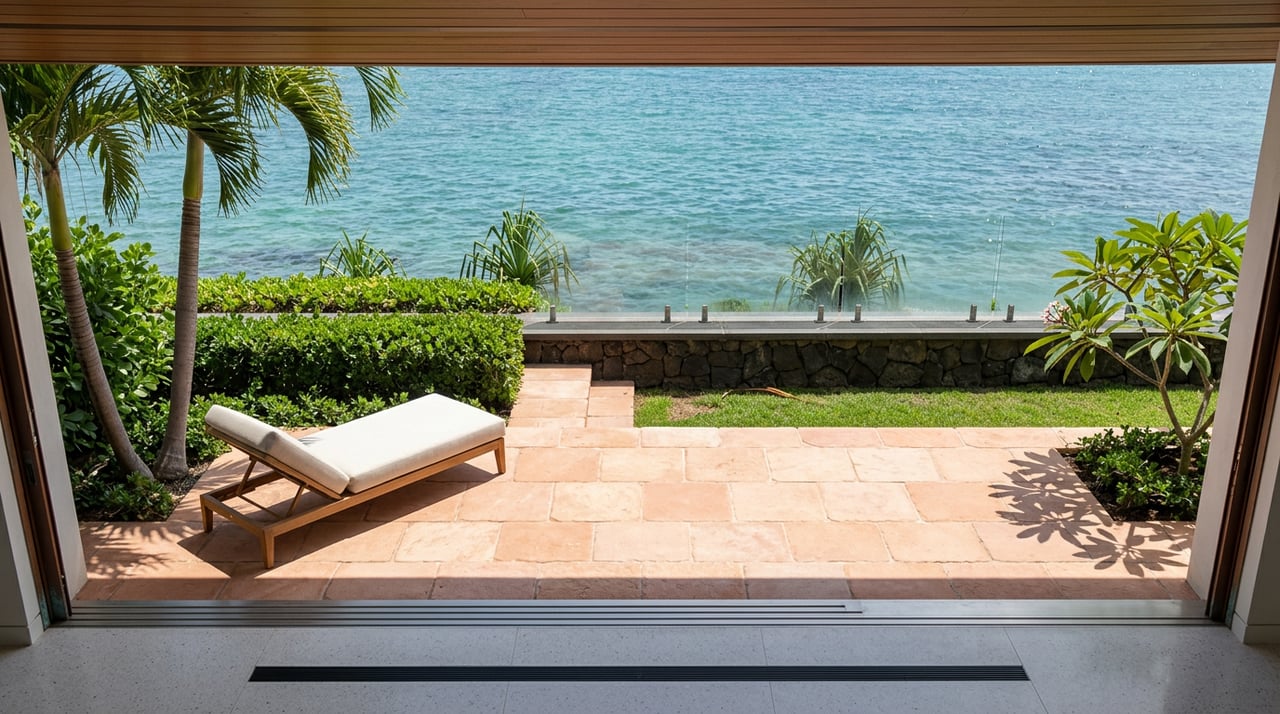
If you love the idea of waking to the sound of waves and sunset views, Portlock may be at the top of your Honolulu wish list. Still, you might be weighing two very different paths: a true oceanfront estate or an interior or hillside home with big views and easier upkeep. The right choice depends on how you live, how you measure risk, and what you want from resale.
This guide breaks down daily lifestyle, maintenance, risk, and pricing signals so you can compare options with clarity. You will also get a concise due diligence checklist tailored to Portlock. Let’s dive in.
Portlock at a glance
Set along Maunalua Bay at the base of Koko Head, Portlock is a small, high-value pocket within East Honolulu’s Hawaii Kai. Locals often describe the neighborhood as roughly 100 to 150 properties in total, with about 40 direct oceanfront lots and the rest set inland or on the lower to mid slopes. Lots are large for Honolulu, commonly 11,000 square feet and up, with many estates exceeding 15,000 to 25,000 square feet.
Homes span mid-century beach cottages to modern luxury rebuilds. Portlock prices sit well above Oʻahu medians, and oceanfront parcels command a meaningful premium. Broad market snapshots reinforce this context, with Portlock ranking among Honolulu’s pricier neighborhoods and inventory remaining scarce. For island-wide context, review neutral market snapshots and neighborhood data such as those found on NeighborhoodScout’s Portlock page.
Oceanfront estates: what you gain
Living directly on Maunalua Bay gives you an immediate connection to the water and long sunset exposures. Many lots face Diamond Head across the bay, which creates an iconic daily backdrop. The emotional appeal here is real: the ocean is a constant, and your lanai becomes the front row.
Daily life and recreation
You are minutes from Koko Marina and the bay for paddling, boating, and snorkeling. Many owners prefer staging larger boats at the marina rather than creating private shoreline structures, since in-water moorings or launch features require state or county permits. Day to day, it is very easy to get on the water, host friends outdoors, and make the coastline part of your routine.
Shoreline character varies by parcel
Not all oceanfront in Portlock is the same. Sections transition from sandy pockets to rocky coves and some cliffed points, including well-known areas like China Walls and Spitting Caves. This affects how you use your yard, where you enter the water, and how you plan for storms. For a feel of these cliffed zones, see this overview of China Walls in Portlock.
Costs and constraints to plan for
Ocean exposure raises ownership demands. Salt and sun increase corrosion on metal fixtures, shorten exterior paint life, and speed roof and fastener wear. Routine exterior rinsing, more frequent repainting, marine-grade hardware, and diligent roof and flashing checks become normal. For a practical overview of coastal upkeep, review these coastal home maintenance tips.
You will also want to model climate and permitting factors well before you write an offer:
- Use the Hawaiʻi Sea Level Rise Viewer to visualize parcel-specific exposure to high-tide inundation, storm surge, and erosion. Start with the PacIOOS Sea Level Rise Viewer.
- Confirm FEMA flood designations and insurance impacts early. The City and County of Honolulu posts FIRM and resilience updates, which can affect premiums and mitigation strategies.
- Understand shoreline certifications, setbacks, and limits on shoreline hardening. Hawaii case law, including Diamond v. Dobbin, underscores why certified shorelines and proper setbacks matter for what you can build or rebuild.
In short, oceanfront is about unmatched presence and scarcity, balanced by higher maintenance, more complex permitting near the water, and potentially higher flood insurance costs.
Interior and hillside homes: value and balance
Interior and hillside properties in Portlock and nearby Koko Kai or Triangle often deliver sweeping ocean views without sitting right on the shoreline. Many buyers view this as the healthiest balance between daily enjoyment and long-term practicality.
Everyday ease and privacy
You typically gain simpler road access, less salt-driven exterior wear, and lower maintenance frequency compared to immediate ocean exposure. Privacy can also feel easier to manage since you are set back from any public shoreline activity. Elevation and distance from the water may reduce some storm and flood concerns, though you should still check exact FEMA zones and insurance quotes at the parcel level.
Lifestyle tradeoffs
You will still be close to Koko Marina, beaches, and the bay. The main difference is immediacy. You drive to the water instead of stepping from the lanai to sand or rocks. If daily ocean sound and direct water access are must-haves, oceanfront may be the better fit. If you want wide views and a calmer maintenance profile, interior or hillside often delivers that at a lower price point.
Resale profile
Interior homes often appeal to a broader buyer pool at resale because pricing is more accessible and maintenance exposure is lower. Oceanfront, by contrast, attracts a specialized set of buyers seeking that one-of-a-kind shoreline experience. Both can perform well; your decision should reflect how you will live in the home and how you weigh ongoing costs and risk.
Cost of ownership: maintenance checklist
If you own or are buying near the coast, plan for a stronger exterior care cadence. A few practical items to budget for:
- Regular exterior rinses to remove salt film.
- More frequent repainting with marine-grade sealants and coatings.
- Stainless or marine-grade hardware and fasteners.
- Roof, flashing, window, and door inspection on a defined schedule.
- Pool, deck, and lanai material checks for cracking or corrosion.
- HVAC service plus dehumidification where needed.
For additional context on coastal care, see this concise guide to coastal home maintenance.
Risk and regulation: what to verify
Portlock due diligence is about details. Here is a focused checklist to run with your broker and attorney:
- Confirm the representation. Verify “oceanfront” versus “oceanview” in title documents and MLS remarks, measure linear shoreline frontage, and review any recorded public access easements. In Hawaiʻi, beaches and the wet sand area are public; private owners do not own below the high-water line. For context on access and the public trust, see Beachapedia’s Hawaiʻi beach access overview.
- Pull shoreline certification information. Ask whether there is a recent Board of Land and Natural Resources shoreline certification, as it sets setback lines and affects buildability near the water. The importance of proper certification is highlighted in Diamond v. Dobbin.
- Check FEMA flood zones and insurance early. Obtain the current FIRM designation, any elevation certificates, and quotes for both NFIP and private flood options. Track local mapping updates via the City’s FIRM and resilience page.
- Model sea level rise scenarios. Use the State’s recommended tool, the Hawaiʻi Sea Level Rise Viewer, to visualize chronic inundation and storm surge risk.
- Verify short-term rental eligibility. Oʻahu’s rules are restrictive and have evolved since 2019. Confirm any TVU, B&B, or NUC status with the Honolulu Department of Planning and Permitting. For a neutral summary of current rules, review this Honolulu STR regulations overview, then confirm details directly with DPP.
- Monitor local ordinance updates. The City and County posts Land Use Ordinance updates and agendas; review official notices via Honolulu City records and confirm specifics with DPP.
- Ask for maintenance and coastal work records. Request permits and invoices for any seawall, revetment, or shoreline-related work, along with contractor warranties and recent exterior maintenance logs.
- Order structural and geotechnical inspections. This is especially important for ocean-facing homes or properties on bluffs. Ask for historic photos and any shoreline monitoring data the seller maintains.
- Confirm boating logistics. If boating is key, verify slip or mooring availability at Koko Marina and understand state mooring permit processes.
- Clarify lane agreements and easements. Some Portlock lanes may be private or have recorded access terms. Ask title to pull all easement documents and private lane agreements.
Market signals and pricing
Portlock inventory is thin, which supports values across the neighborhood and creates a meaningful premium for direct shoreline parcels. Oceanfront estates often list and sell in the multi-million range, while interior or hillside properties, including fixers, can offer lower entry points. Neighborhood data places Portlock well above broader Oʻahu medians and highlights its status as a luxury enclave with limited supply. For island-level context and neighborhood positioning, see NeighborhoodScout’s Portlock profile.
Buyer pools and liquidity
Oceanfront homes tend to attract high-net-worth lifestyle and second-home buyers, often with long holding periods. That specialization supports pricing yet narrows the buyer pool. Interior homes usually reach a wider set of owner-occupant buyers who value space, views, and easier upkeep. Both segments can be compelling; success at resale hinges on aligning features, condition, and pricing with the right audience.
Which Portlock is right for you?
Use your daily rhythm and risk tolerance to guide the choice:
- Choose oceanfront if you prioritize direct water access, daily ocean soundtracks, and the strongest view premium, and you are comfortable with higher maintenance, potential flood insurance costs, and tighter shoreline permitting.
- Choose interior or hillside if you want broad views, lower exposure, easier maintenance, and a larger buyer pool at resale, and you are fine with a short drive to the water.
If you can, tour both options at different times of day. Stand on the lanai during afternoon trades, look to Diamond Head at sunset, and ask for utility, insurance, and maintenance records. A side-by-side analysis of ownership costs often brings the answer into focus.
How Steve Cohen helps you compare
Choosing between oceanfront and interior in Portlock benefits from senior-level guidance. With decades advising on waterfront estates, complex permitting, and high-value negotiations, Steve provides principal-led, concierge representation that balances lifestyle goals with financial outcomes. You will get curated property tours, parcel-level risk reviews, lender-savvy modeling of insurance and reserves, and access to both on-market and discreet opportunities.
Ready to evaluate Portlock options with clarity and confidence? Connect with Steve Cohen to Schedule a Private Consultation.
FAQs
What is the main difference between Portlock oceanfront and interior homes?
- Oceanfront delivers direct water access, constant ocean presence, and top-tier view premiums, while interior or hillside homes trade immediacy for easier maintenance, lower exposure, and a broader buyer pool at resale.
How should I evaluate sea level rise risk for a Portlock property?
- Start with the State’s recommended tool, the Hawaiʻi Sea Level Rise Viewer, then combine it with FEMA flood maps, elevation data, and local shoreline history to build a parcel-specific risk profile.
Are nightly short-term rentals allowed in Portlock?
- Generally no for most residential properties unless specifically permitted or grandfathered. Review this neutral Honolulu STR regulations summary, then confirm a parcel’s status directly with Honolulu DPP and legal counsel.
What permits control building near the shore in Portlock?
- Shoreline certifications and setbacks governed by state and county rules determine what is buildable. Hawaii case law, such as Diamond v. Dobbin, highlights why certified shorelines matter and why you must verify setbacks before planning improvements.
Who owns the beach area in front of Portlock oceanfront homes?
- In Hawaiʻi, the beach and wet sand area are public. Private owners do not own below the high-water line. For context on public access and easements, see Beachapedia’s Hawaiʻi beach access page.